


In Vivo Injections Developed By AI And Bacteria
- B. Tarangini

- Apr 17, 2023
- 1 min read
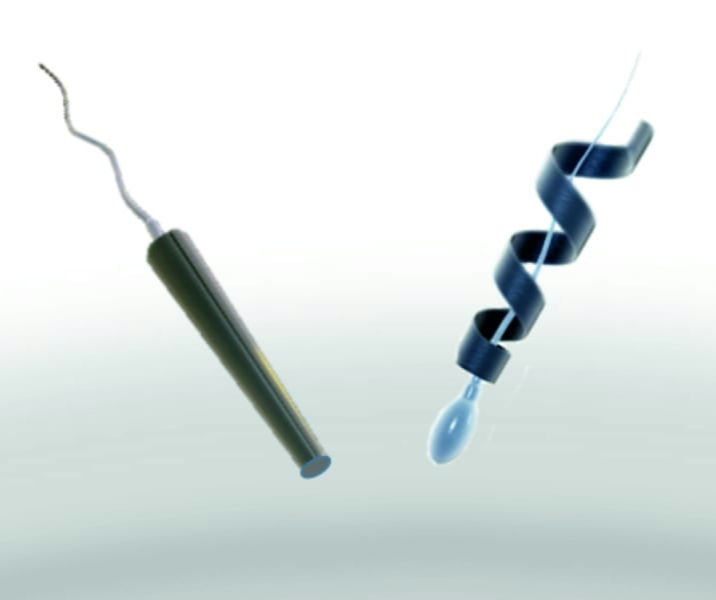
Endosymbiotic bacteria interferes with the host biology in unique ways, one such example is the extracellular contractile injection systems (eCISs). The eCISs are syringe like macro-molecular complexes that inject protein payloads into eukaryotic cells by driving a spike like appendage through the cell’s membrane. Researchers used the AI tool AlphaFold to engineer these macro-molecular complex, Photorhabdus virulence cassette (PVC) synthesized by Photorhabdus asymbiotica, an entamo-pathogenic bacteria to deliver useful proteins to both human cells and live mice cells.

The bacteria use macro-molecular complex (eCISs) with 100nm long needle to inject proteins into the host cells. The PVCs' tail fibers bond with specific receptors present on the cell surface. In order to force the protein into the cell, the rigid tube inside the sheath compresses, driving the needle through the cell membrane.

AlphaFold reads the amino acid sequence and predicts the structure of the protein and for all tail fibre designs, sequences were queried as trimers. Target cells were re-engineered to bond with the PVC tail fiber, making them highly target specific as well.
This novel system was effective in killing cancer cells with specific receptors. The PVCs target cancer epitopes and inject them with toxins and inducing cell death with few possible side effects. It was also programmed to deliver cas-9, a much larger payload compared to proteins. With further modifications this new programmable system could be applied to various fields like cancer therapy, biocontrol and gene therapy
References:


Comments