


Dementia: Postnatal Onset Study
- Shaziya J

- Feb 22, 2023
- 1 min read
Updated: Feb 23, 2023
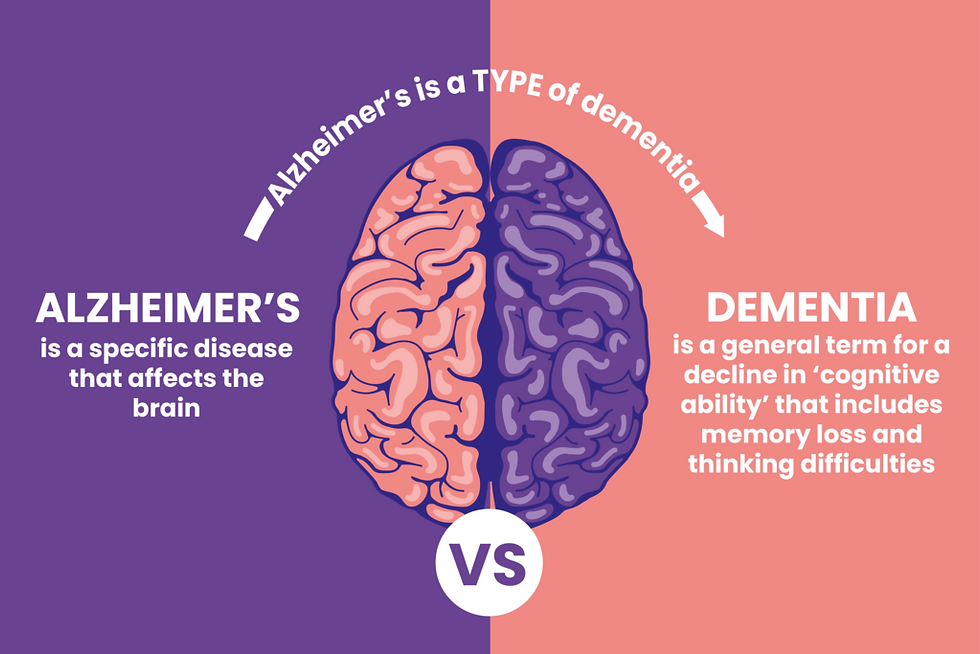
Dementia is a symptom of Alzheimer's disease (AD), a neurological illness that gets worse over time. The hippocampus, one of the regions where neural stem cells reside and new neurons are created, is the site of the most noticeable neuronal loss in AD. Adult neurogenesis has been found to be reduced in many AD animal models. It is still unclear exactly when this impairment starts to show symptoms. When the neurogenic deficits in AD occur, from infancy through maturity, has been determined using the triple transgenic mouse model of AD (3xTg). Even in the neonatal stage, it has been shown that neurogenesis issues exist long before any neuropathology or behavioral abnormalities.

Observations revealed that postnatal stages of 3xTg animals showed considerably lower numbers of neural stem/progenitor cells, decreased proliferation, and fewer newborn neurons, all of which are related to reduced hippocampal structural volumes. Bulk RNA-seq has been used on cells extracted directly from the hippocampus to examine the molecular fingerprints of brain stem/progenitor cells to check for any early changes. Genes from the Notch and Wnt pathways were among those whose expression patterns underwent observable changes around one month of age. These results show that the 3xTg AD model has very early neurogenesis deficiencies, providing new opportunities for early identification and treatment strategies to halt neurodegeneration in AD.
Source:


Comments