


Genetic Modification of Ideonella sakaiensis 201-F6 :Angel to save Earth
- Rithu B S

- Feb 1, 2023
- 2 min read
Global plastic manufacturing increased by 5% annually, reaching 348 million metric tonnes in 2022. According to predictions concerning the accumulation of plastic trash in ecosystems, the total amount of plastic garbage produced in 2050 will exceed 25 billion tonnes, or three times the current level. 80% of all plastic manufactured worldwide is found to be polyethylene terephthalate (PET). Microplastics have been shown in vitro experiments to change membrane integrity, trigger an immunological response, cause oxidative stress, cause cytotoxicity, and modify gene expression.

Although physical and chemical approaches are frequently employed degradation, they still have certain drawbacks, such as the need for high temperatures (150–300°C) and catalysts in the glycolysis reaction, or spontaneous degradation over the lifetime of new PET formed after re-extrusion. The high expense of reagents and techniques, particularly when using catalysts (metal-based, organic, or ionic liquids), has an adverse effect on the environment.
The degradation of PET waste can be accomplished using promising and environmentally favorable biological processes. Despite being classified as non-biodegradable, many studies have used microorganisms or enzymes to break down PET. The discovery of the bacteria Ideonella sakaiensis 201-F6 and the enzymes PETase and MHETase is a prime example.
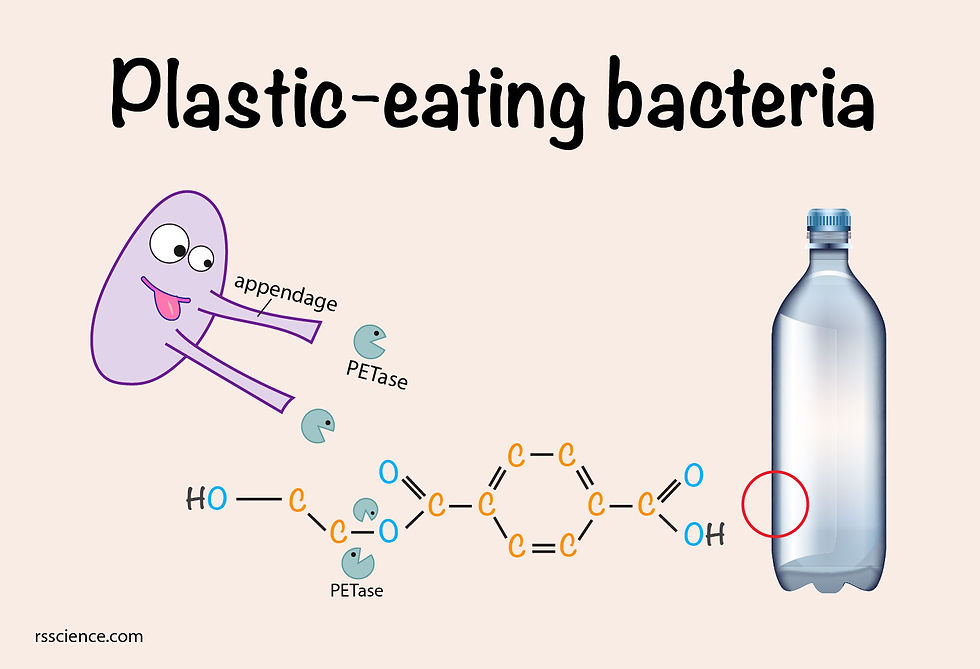
PET could be used by the bacterium Ideonella sakaiensis 201-F6 as a primary source of carbon and energy. The comparatively poor stability of the native PETase enzyme from Ideonella sakaiensis—which need a moderate environment for growth—motivates efforts to enhance the enzyme. By utilizing site-directed mutagenesis & additional genetic modification by adding alterations to the amino acid chain may improve the protein's thermal stability and allow it to retain activity for a longer period of time. Despite the fact that they work together to degrade PET by Ideonella sakaiensis 201-F6, MHETase was discovered about the same time as PETases, but it has not received as much research as PETase & needs to be explored more to draw better solutions.

Enzymatic hydrolysis of PET and other polymers is becoming more important and interesting to researchers as plastic manufacturing continues to rise. This method of plastic degradation is regarded as an innovative, ecologically beneficial approach to recycling post-consumer plastic products. Therefore, the application of genetic engineering may be essential to finding a solution to the plastic pollution issue in order to better adapt the enzymes to synthetic polymers. However, it is still difficult to build novel hydrolases with highly selective and efficient catalytic characteristics for PET materials. All of the studies that were discussed above could offer additional ways to get enzymes that work well for biocatalytic plastic recycling systems.
References:


Good content 👌 keep it up !