


ARE ALL CANCERS BAD? A CURE FOR DIABETIC WOUNDS IS INSPIRED BY TUMORS
- Savita Madhusoothanan

- Mar 8, 2023
- 2 min read
In India, diabetes is a common illness. As of 2019, 77 million individuals were affected by diabetes and it is estimated to rise into 134 million people by 2045. Over 100 million people worldwide have poor wound healing as a result of diabetes.
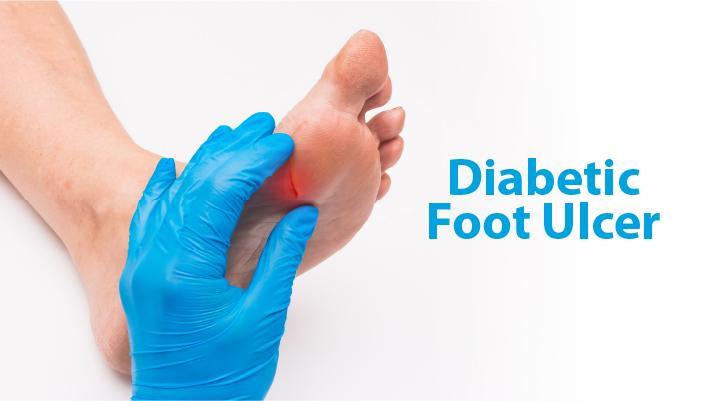
Since proinflammatory macrophages that start the healing process do not transform into anti-inflammatory macrophages, additional inflammatory monocytes are activated, which delays healing. Impaired wound healing is caused by malfunction and imbalance in the inflammatory features of macrophages.


According to a recent study, this can be fixed by using tumor-associated macrophages (TAMs), which frequently possess the qualities needed for wound healing. TAMs present in the tumour microenvironment encourage proliferation of cells through significant quantities of paracrine release of growth factors and anti-inflammatory cytokines. In order to assure tumour growth, they also ensure angiogenesis, vascularization, modification of the extracellular matrix, and turning off inflammatory phenotypes in immunocytes. Researchers were inspired to replicate the TAM's beneficial features for healing diabetic patients' wounds because of its excellent qualities. In the end, the researchers developed autologous human monocytes that could mimic the macrophages linked with tumours and aid in the healing of diabetic wounds.

By cultivating them in the conditioned media of TAMs, normal macrophages were taught how to become TAMs. These TAM Educated Macrophages (TAMEMs) demonstrated greater angiogenesis stimulation, fibroblast activation, and inflammation suppression in vitro as well as considerable wound healing in diabetic rats. The fact that TAMs cannot be created for patients who do not have tumours and that introducing tumor-derived cells into patients has hazards meant that even though these TAMEMs shown exceptional healing abilities, they could not be employed as a clinical therapy.
In order to treat diabetic wounds, the researchers discovered a combination of human recombinant proteins that resembled the perfect characteristics of TAMs and could instruct human peripheral blood monocytes to develop into cytokine-induced autologous human TAMEMs. Given that it is made from autologous cells and does not contain any components generated from tumours, this demonstrates an enormous potential to be transformed into therapeutic cells to improve wound healing in diabetes patients.
Foot care for diabetic patients

References:
Image credit:
1. https://www.mdpi.com/1648-9144/55/11/714
2. https://blog.wcei.net/how-to-care-for-diabetic-foot-ulcers-and-other-diabetic-wounds
Article:
1. https://doi.org/10.15252/emmm.202216671
Mu R, Zhang Z, Han C, Niu Y, Xing Z, Liao Z, Xu J, Shao N, Chen G, Zhang J, Dong L, Wang C. Tumor-associated macrophages-educated reparative macrophages promote diabetic wound healing. EMBO Mol Med. 2023 Feb 8;15(2):e16671. doi: 10.15252/emmm.202216671. Epub 2022 Dec 21. PMID: 36541165; PMCID: PMC9906426.I


Looking forward for more 👍
Great 👍